Wolf Wilds › Signals and Rescue
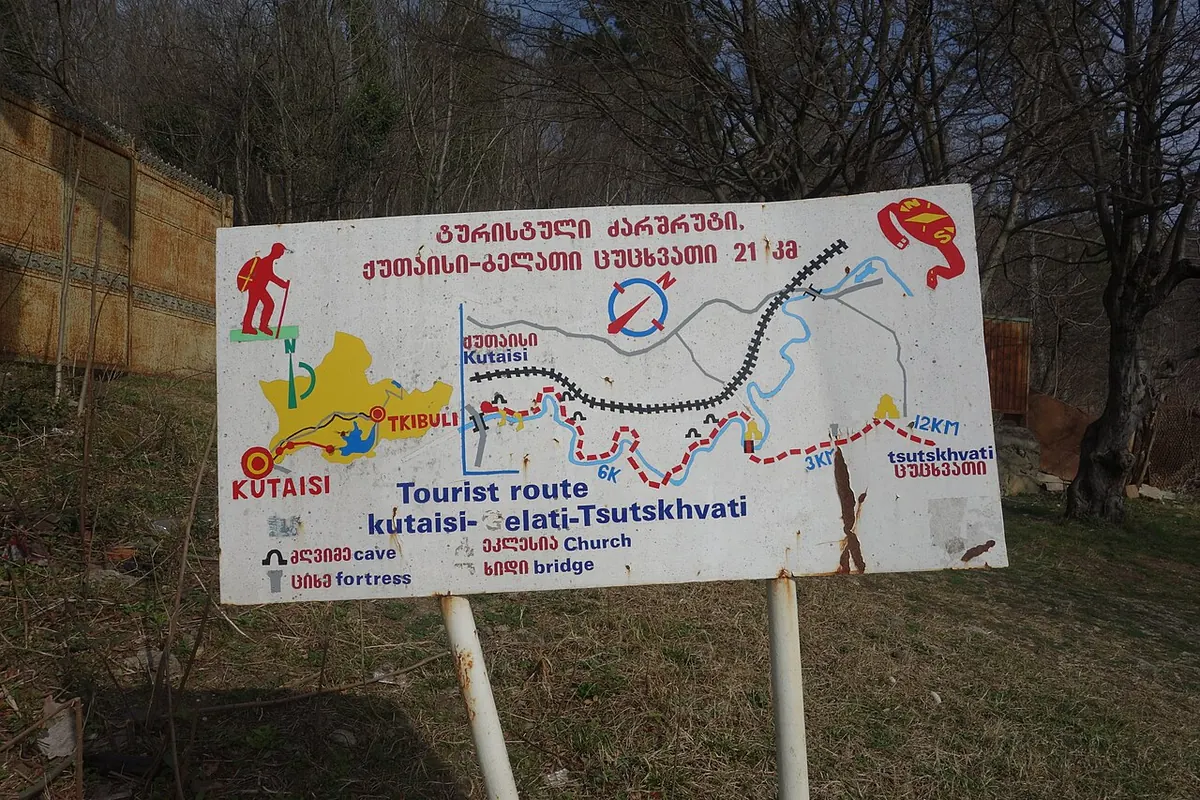 Photo Daniel-tbs, CC BY-SA 4.0

Leaving a trip plan
The piece of paper that starts the search before anybody misses you.
What you need
- One person who will actually call it in
- Your route and your turnaround point
- Your vehicle and where it will be parked
- What you are wearing and what colour it is
- The time you will be back and the time they call for help
How
- Write it down and hand it over. A text they will scroll past is not a plan.
- Give a hard overdue time, not a soft one. Say: if you have not heard from me by nine, call the RCMP.
- Name the trailhead, the pond, the cabin or the road, and the way in and the way out if they differ.
- Say who is with you and what shape they are in.
- Call in when you are out. An unclosed plan sends people looking for somebody sat home on the couch.
Watch for
Danger
- Do not change the route once the plan is out unless you can tell somebody.
- Do not lean on the phone. A plan works where there are no bars.
- Leave a note on the dash with the same detail. The vehicle is what gets found first.
Notes
Searchers spend the first hours working out where you are not. A trip plan hands them that for nothing and moves the search to where you actually are.
Updated 2026-09-05
Related
 Calling for help on a phone
Signals and Rescue
Getting a call through from the woods, what to tell the 911 operator, and keeping the phone alive until they reach you.
 Flares and strobes
Signals and Rescue
Signals that show up at night and across water, how to use them, and when to save them.
 Getting found
Signals and Rescue
Whistle, mirror, fire and beacon, and what searchers are actually looking for.
 Ground to air signals
Signals and Rescue
Big shapes on open ground that a plane or helicopter can read, and the few codes worth knowing.