Wolf Wilds › Signals and Rescue
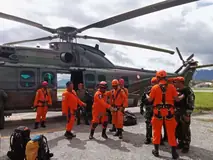
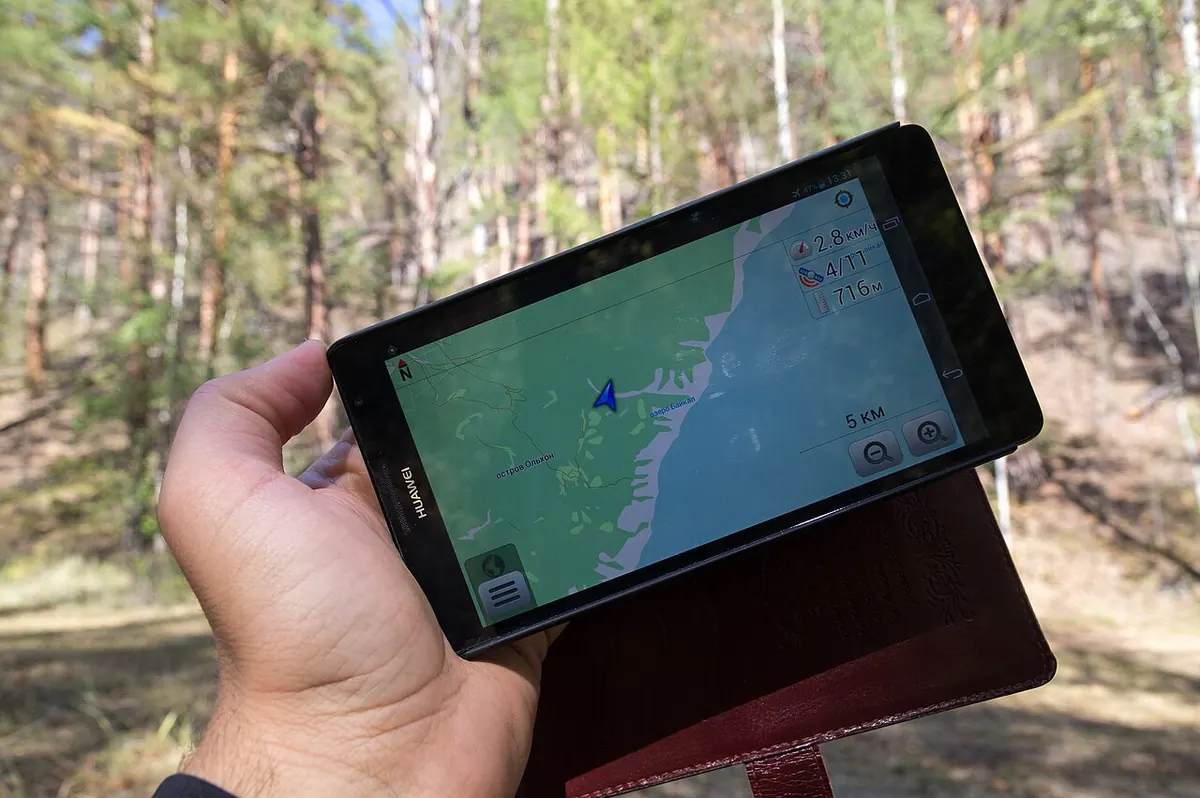 Photo Vyacheslav Argenberg, CC BY 4.0

Calling for help on a phone
Getting a call through from the woods, what to tell the 911 operator, and keeping the phone alive until they reach you.
What you need
- A charged phone and a battery pack
- Your coordinates. The Tools page shows them with no signal.
- The Emergency card numbers. See the Emergency page.
- Your trip plan left with someone at home
How
- Try 911 even if your phone shows no service. A 911 call can go through on another company's network when your own has none.
- If it will not connect, move to higher or more open ground: a ridge, a bog, a shoreline. Try again.
- When you get through, say where you are first: your coordinates, then the nearest pond, road or landmark.
- Then say what is wrong, how many people, and who is hurt.
- Answer the operator's questions and do not hang up until they say so.
- Leave the phone on after the call so they can call you back, and turn the screen brightness down.
- Switch off everything else. Close apps, turn off Bluetooth and data.
- Stay where you told them you are.
Do and don't
Do
- Learn before the trip whether your phone can send an emergency message by satellite, and try the demo.
- Keep the phone warm in an inside pocket.
- Write your coordinates on paper once you have them, in case the phone dies.
Don't
- Do not waste battery on social media or calls to family. One call to 911, then let them call family.
- Do not move after you give your position unless you are in danger where you are.
- Do not count on the phone as your only way to call for help. See Radios and beacons.
Watch for
Danger
- Cold can shut a phone off at half charge. Warm it against your body and it may come back.
- A weak signal can carry a call that keeps dropping. Give your location in the first sentence.
- Coverage maps are wrong about the woods. Test the phone where you are going before you rely on it.
Notes
The call that gets you rescued is short: where you are, what is wrong, how many of you. Practise saying it.
See Getting found for what to do while you wait.
Updated 2026-09-22
Related
 Ground to air signals
Signals and Rescue
Big shapes on open ground that a plane or helicopter can read, and the few codes worth knowing.
 Signal fires and smoke
Signals and Rescue
A fire laid ready in the open, lit the moment you hear an aircraft: smoke by day, flame by night.
 Flares and strobes
Signals and Rescue
Signals that show up at night and across water, how to use them, and when to save them.
 Getting found
Signals and Rescue
Whistle, mirror, fire and beacon, and what searchers are actually looking for.