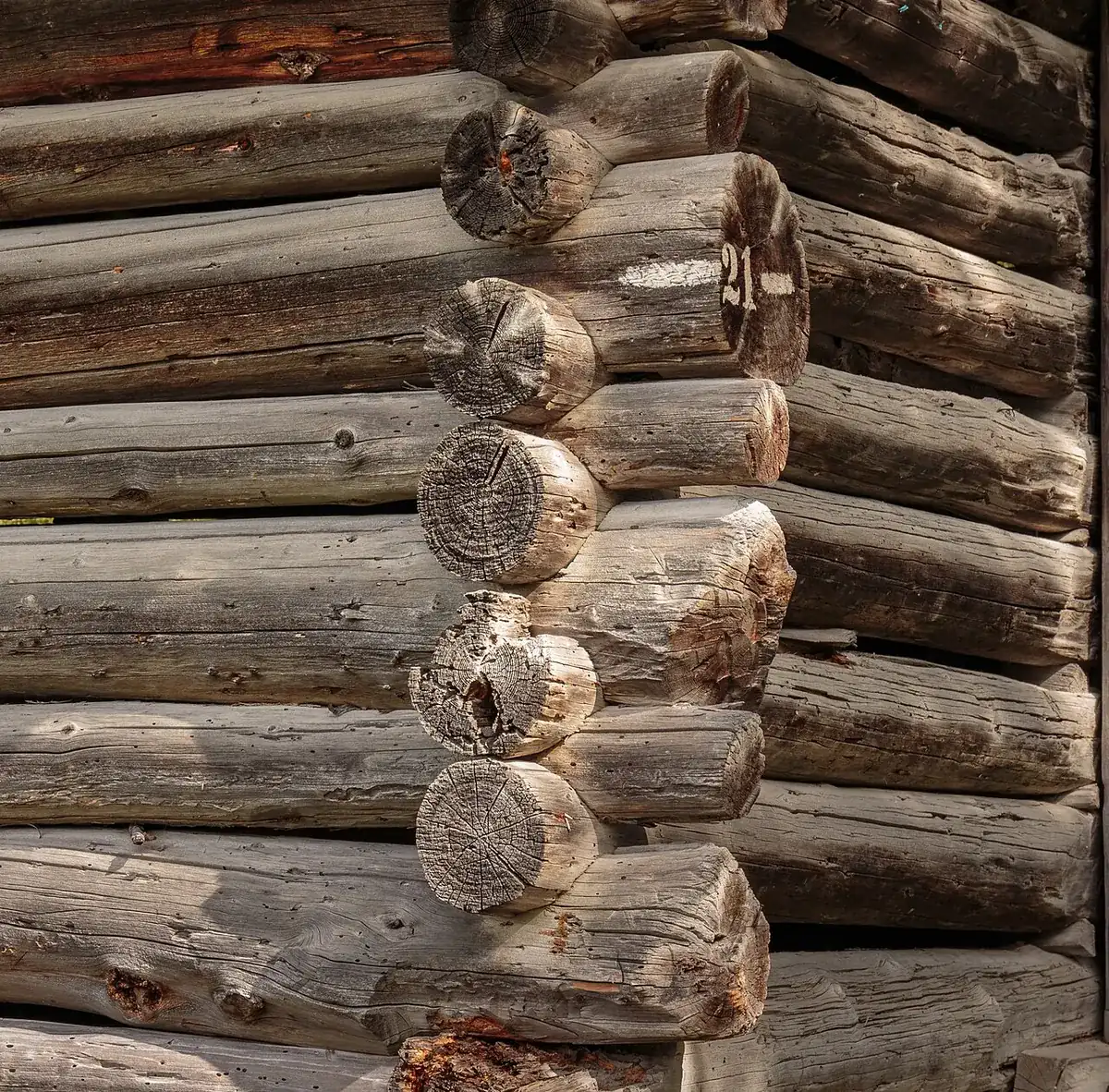
 Photo Agnes Monkelbaan, CC BY-SA 4.0

Closing and opening the cabin
Shutting the cabin down for the winter so nothing freezes, rots or moves in, and opening it again in the spring without a nasty surprise.
What you need
- RV antifreeze, the pink kind made for drinking water systems
- Steel wool and a tube of caulking for mouse holes
- Plastic tubs with tight lids for bedding and anything soft
- A wrench for the propane tank and the water fittings
- Spare batteries for the smoke and carbon monoxide alarms
- A notebook that stays at the cabin, with what you shut off and where
How
- Closing: take out every bit of food, including tins that can freeze and burst, and anything that smells of food.
- Shut off the water, open every tap, drain the pump, the tank, the lines and the hot water heater, and leave the taps open.
- Pour RV antifreeze into every sink trap, the shower drain and the toilet bowl and tank so the water left in them cannot freeze and crack them.
- Shut off the propane at the tank and cap the line.
- Let the stove go cold, clean out the ashes into a metal can, and put the ashes outside on bare ground. Close the damper and cover the chimney top against birds and snow.
- Stop the mice: steel wool and caulking in every gap where a pipe or wire comes through. Bedding, cushions and clothes go in the tubs.
- Batteries: charge them full before you leave. A full battery survives the cold; a flat one freezes and is ruined. Leave the charge controller and the panel connected if the system is built for it, or bring the batteries home.
- Close the shutters, lock up, clear branches off the roof, and write down in the notebook everything you shut off.
- Opening: walk all the way round first. Look for a broken window, a torn roof, a door someone forced, or a tree down on a line.
- Open the door and the windows and let it air out before you light anything. If you smell propane, leave it off and find the leak.
- Look up the chimney and take off the cover before the first fire. Birds and squirrels nest in it over the winter.
- Turn the propane back on and brush soapy water on every fitting. Bubbles mean a leak. Fix it before you light an appliance.
- Close the taps, turn the water on, and run every tap until the antifreeze is flushed out and the water runs clean.
- Put new batteries in the smoke and carbon monoxide alarms and press the test button on each one.
Do and don't
Do
- Leave a copy of the notebook list at home too, so anyone who opens the cabin knows what was done.
- Ask a neighbour or someone who passes by in the winter to look in on it after a big storm.
- Take a few photos inside and out before you lock up. They help with insurance if something happens.
Don't
- Do not use car antifreeze in the water system. It is poison.
- Do not sweep up mouse droppings dry. Wet them with a bleach and water mix first, wear gloves, and wipe them up, so the dust does not go into the air.
- Do not leave a mattress or bedding open to the mice for the winter.
Watch for
Danger
- A propane leak builds up in a closed cabin all winter. Air the place out before you strike a match or flick a switch.
- A chimney blocked by a nest fills the cabin with smoke and carbon monoxide on the first fire. See Propane and carbon monoxide, and Heating with wood.
- A roof loaded with wet snow can fail. After a heavy winter, check the rafters and the ceiling for sag and water marks.
Notes
The job goes quicker and nothing gets missed if the same list is used every year. Keep it in the notebook and tick it off as you go.
See Water and waste at a cabin, and Cabin power, for how those systems are set up in the first place.
Updated 2026-09-26
Related
 Heating with wood
Off Grid
Running a wood stove at the cabin: dry wood, a clean chimney, ashes put away right, and what to do if the chimney catches.
 Propane and carbon monoxide
Off Grid
Running propane at a cabin without gassing yourself, and the alarms that tell you before you feel it.
 Water and waste at a cabin
Off Grid
Getting water in, keeping it from freezing, and putting the dirty water and the rest out of the way.
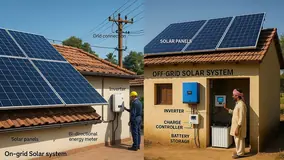 Cabin power
Off Grid
Battery, panel and inverter, and how much you actually need.