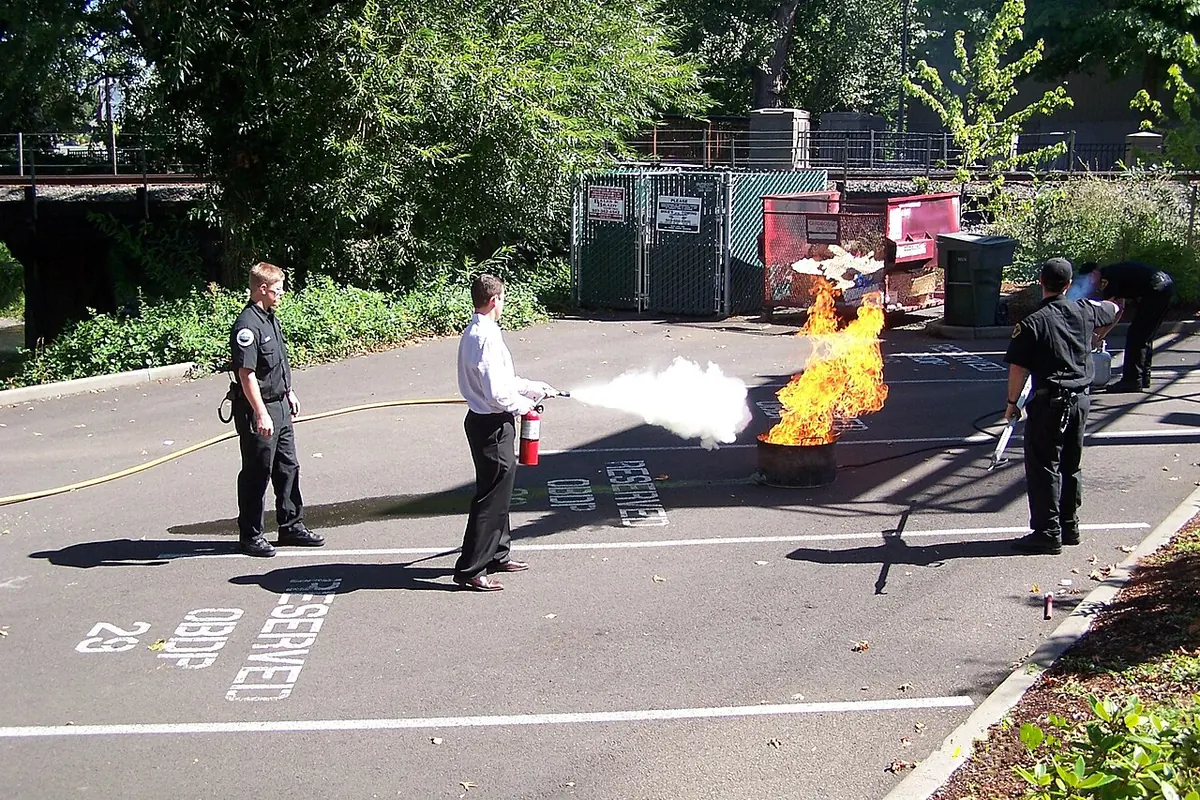
 Photo Oregon Department of Transportation, CC BY 2.0

Fire safety in camp and at the cabin
Alarms, an extinguisher, two ways out, and what to do in the first minute when a tent, a pot or a cabin catches.
What you need
- A smoke alarm on every level of the cabin and one outside the sleeping area
- An ABC fire extinguisher by the door, and another by the kitchen
- A fire blanket or a pot lid that fits, near the stove
- Two ways out of every room, both kept clear
- A headlamp and your boots by the bed
- A bucket of water or sand by every campfire
- A knife you can reach from inside the tent
How
- Test the smoke alarms on the first day of every trip, and change the batteries once a year.
- Walk the two ways out of the cabin with everyone, and pick a spot outside where you all meet.
- Refuel stoves and lanterns outside, cold, and well away from any flame.
- Keep fuel cans, propane and oily rags outside the cabin and away from the tent.
- Cook outside the tent, never in it or in the vestibule.
- Put candles and oil lamps on a solid base, away from curtains and bedding, and put them out before you sleep.
- Look over the wiring every spring. Mice chew it over the winter and bare wires start fires.
When it catches
- Shout fire and get everyone out. People first, gear never.
- Fight it only if it is small, you have an extinguisher, and the way out is behind you.
- Use the extinguisher like this: pull the pin, aim at the base of the fire, squeeze the handle, sweep side to side.
- A pot of grease on fire: turn off the heat and slide a lid or a fire blanket over it. Never throw water on it.
- Clothes on fire: stop, drop to the ground, cover your face and roll until it is out.
- A tent on fire: get out the nearest way. Cut through the wall with your knife if the door is blocked.
- Once you are out, stay out, and call 911.
Do and don't
Do
- Crawl low under smoke. The cleanest air is near the floor.
- Feel a closed door with the back of your hand before you open it. Hot means use the other way out.
- Report any forest fire you see, however small, with 911.
Don't
- Do not use gasoline or any fuel to start or liven a fire.
- Do not run a heater, a stove or a lantern inside a tent. See Propane and carbon monoxide.
- Do not go back in for anything, pets included.
Watch for
Danger
- Smoke kills more people than flames do, most of them asleep. The alarm is what wakes you.
- A nylon tent burns and melts in seconds, and the melted cloth sticks to skin.
- A forest fire moves fastest uphill and with the wind. Never try to outrun one uphill. Move across the slope, toward rock, water or ground that has already burned.
Notes
Most cabins are a long way from a fire truck. Whatever happens, you will be handling the first ten minutes yourself, so the alarm, the extinguisher and the way out are the whole plan.
Smoke alarms wear out. Replace one ten years from the date on the back. See Heating with wood and Putting a fire out.
Updated 2026-09-28
Related
 Putting a fire out
Fire
Drown it, stir it, feel it: making sure a campfire is dead out before you leave, and why the ground here can hold fire for days.
 A fire reflector
Fire
A wall of green logs or a rock face behind the fire, so the heat comes back to you and your shelter instead of into the woods.
 Fire in wet weather
Fire
Getting a fire going when it has rained for three days and everything on the ground is soaked.
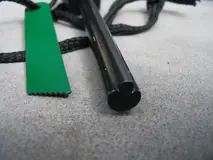 Fire without matches
Fire
Getting a flame when the matches are gone or soaked.